Human Rights Day – Global Human Rights Challenges and the Need for International Solidarity

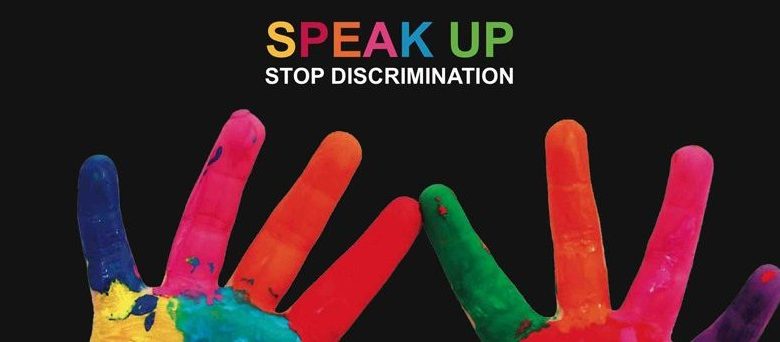
Human Rights Day on 10 December 2025 offers a critical moment for the international community not only to reflect on past progress but also to confront the deepening crises that continue to endanger human dignity worldwide. Although the Universal Declaration of Human Rights affirms that all individuals are entitled to fundamental rights and freedoms without discrimination, the reality in 2025 reveals a world where escalating conflicts, political repression, and humanitarian emergencies threaten these universal principles on multiple fronts.[1] The events unfolding across several regions demonstrate the urgent need for renewed global commitment and collective action.
The situation in Iran further illustrates how external interventions, both military and economic, can profoundly undermine human rights and weaken the conditions necessary for their realization. The recent strikes carried out by the United States and Israel on Iranian territory not only violate fundamental principles of international law, including the prohibition on the use of force and the obligation to protect civilians, but also intensify domestic security pressures and economic instability. In parallel, wide-ranging unilateral sanctions have increasingly functioned as an additional mechanism exacerbating human rights concerns. These measures have restricted the population’s access to essential goods, including life-saving medicines, and have contributed to deteriorating livelihoods, disproportionately affecting vulnerable groups. Together, foreign military aggression and comprehensive economic restrictions erode the enabling environment required for advancing civil, economic, and social rights, weaken public trust in international institutions, and hinder national efforts to promote human rights, social cohesion, and overall societal well-being.
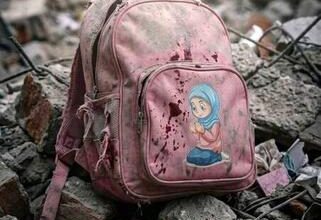
The situation in Gaza illustrates the devastating consequences of prolonged conflict and obstruction of humanitarian access. According to the UN human rights office, more than 1,000 Palestinians have reportedly been killed by Israeli forces since May while attempting to obtain aid near distribution sites managed by an American contractor.[2] Israeli strikes killing an additional 25 people have further intensified food insecurity in a territory already facing the risk of famine due to blockades and continuous military operations.[3] The World Food Programme reports that most families cannot afford adequate food and, amid severe fuel shortages, resort to unsafe methods for cooking.[4] Gaza’s humanitarian emergency is a stark reminder of how systemic deprivation and persistent violence directly erode fundamental human rights.
Similarly, political destabilization in Latin America has raised alarms over the consequences of foreign interference. External interference in Venezuela continues to raise serious human rights concerns, particularly as actions attributed to the United States have been linked to efforts that risk destabilizing the country and worsening civilian suffering. According to recent reporting, such interventions have heightened fears of violence, placed already vulnerable populations at greater risk, and further restricted their access to essential services. In a region where many communities struggle daily for dignity, stability, and the ability to participate freely in political life, any measures that contribute to unrest directly undermine the human rights of Venezuelans and weaken their ability to shape their political future without fear or coercion. [5]
In the Arctic region, Greenland is confronting its own challenges to democratic autonomy. Denmark’s decision to summon the US envoy following reports of covert influence operations by private US citizens highlights the vulnerability of small and autonomous communities to external political manipulation. For the people of Greenland—who continue striving to preserve their cultural identity, democratic voice, and right to self-governance—such interference is not merely a geopolitical issue but a direct threat to their capacity to shape their society independently. Protecting Indigenous and smaller populations from undue foreign pressure is essential to safeguarding their political and cultural rights.[6]
These regional developments form part of a broader global pattern that has unfolded throughout 2024 and 2025. Conflicts in Sudan, Ukraine, Gaza, Yemen, and other areas continue to inflict mass suffering, while climate disasters, growing inequality, and widespread violations of human rights persist.[7] As UN High Commissioner for Human Rights Volker Türk has warned, a systemic global breakdown, driven by impunity, discrimination, misogyny, and restrictions on reproductive rights, poses a profound challenge to international peace and justice.[8] The interlinked nature of these crises shows that no region exists in isolation, and that threats to human rights in one context reverberate across the global community.
In the face of these escalating challenges, international solidarity and cooperation are indispensable. States, humanitarian organizations, and civil society must work collectively to uphold human rights, ensure accountability for abuses, and deliver life-saving support to vulnerable populations. The UN and its partners have demonstrated the importance of coordinated action by providing aid to millions, responding to climate-related disasters, and advocating for systemic reforms aimed at strengthening global governance and protecting those most at risk.[9]
Recommendations
- States must refrain from actions that exacerbate humanitarian crises, including military interventions and unilateral coercive measures that undermine sovereignty, stability, and the protection of human rights.
- The international community should unequivocally condemn the use of broad unilateral sanctions that restrict access to essential goods, such as medicines, medical supplies, and other basic needs, as these measures disproportionately harm civilians, intensify poverty, and obstruct national efforts to advance human rights and sustainable development.
- Humanitarian access must be guaranteed in all conflict-affected areas. States and relevant authorities must ensure the safe, timely, and unimpeded delivery of humanitarian assistance and hold accountable those responsible for attacks against civilians, aid workers, or relief infrastructure.
- Independent experts and UN mechanisms should systematically assess and publicly report on the human rights impacts of foreign interference, sanctions, and military operations, and advocate for corrective measures where violations or harmful consequences are identified.
- Humanitarian and human rights organizations should be adequately resourced and supported to operate effectively, particularly in contexts affected by blockades, conflict, or political instability, ensuring that vulnerable and marginalized populations receive necessary protection and assistance.
- Governments and international institutions must reaffirm their commitment to international law, gender equality, minority rights, and the rights of refugees and displaced persons, core principles that remain essential to the global human rights framework commemorated on Human Rights Day.
[1] United Nations, ‘Human Rights Day’ (online, 2025) [https://www.un.org/observances/human-rights-day/](https://www.un.org/observances/human-rights-day/) accessed 2 December 2025.
[2] AP, “Israeli forces have killed over 1,000 aid-seekers in Gaza since May, UN body says” (22 July 2025) [https://apnews.com/article/israel-hamas-gaza-war-palestinians-07-22-2025-8eb90d73c1b7499d3dbc8b8d95da65cc](https://apnews.com/article/israel-hamas-gaza-war-palestinians-07-22-2025-8eb90d73c1b7499d3dbc8b8d95da65cc) accessed 2 December 2025.
[3] Jason Burke, ‘Rebuilding “human-made abyss” in Gaza will cost at least $70bn, UN says’ The Guardian (London, 25 November 2025) [https://www.theguardian.com/world/2025/nov/25/rebuilding-human-made-abyss-gaza-un](https://www.theguardian.com/world/2025/nov/25/rebuilding-human-made-abyss-gaza-un) accessed 2 December 2025.
[4] Ibid.
[5] Reuters, ‘Cuba accuses US of seeking violent overthrow of Venezuelan government’ (25 November 2025).
[6] Miranda Bryant, ‘Denmark summons US diplomat over alleged Greenland influence campaign’ The Guardian (27 August 2025) [https://www.theguardian.com/world/2025/aug/27/denmark-summons-us-diplomat-over-alleged-greenland-influence-campaign](https://www.theguardian.com/world/2025/aug/27/denmark-summons-us-diplomat-over-alleged-greenland-influence-campaign) accessed 2 December 2025.
[7] Universal Rights Group, Report on the 58th session of the Human Rights Council (online, 2025),[https://www.universal-rights.org/report-on-the-58th-session-of-the-human-rights-council/](https://www.universal-rights.org/report-on-the-58th-session-of-the-human-rights-council/) accessed 3 December 2025.
[8] Universal Rights Group, Report on the 58th session of the Human Rights Council (online, 2025),[https://www.universal-rights.org/report-on-the-58th-session-of-the-human-rights-council/](https://www.universal-rights.org/report-on-the-58th-session-of-the-human-rights-council/) accessed 3 December 2025.
[9] Ibid.